

12 inches vs. 15 inches: which speaker size to choose if you're working without a separate subwoofer
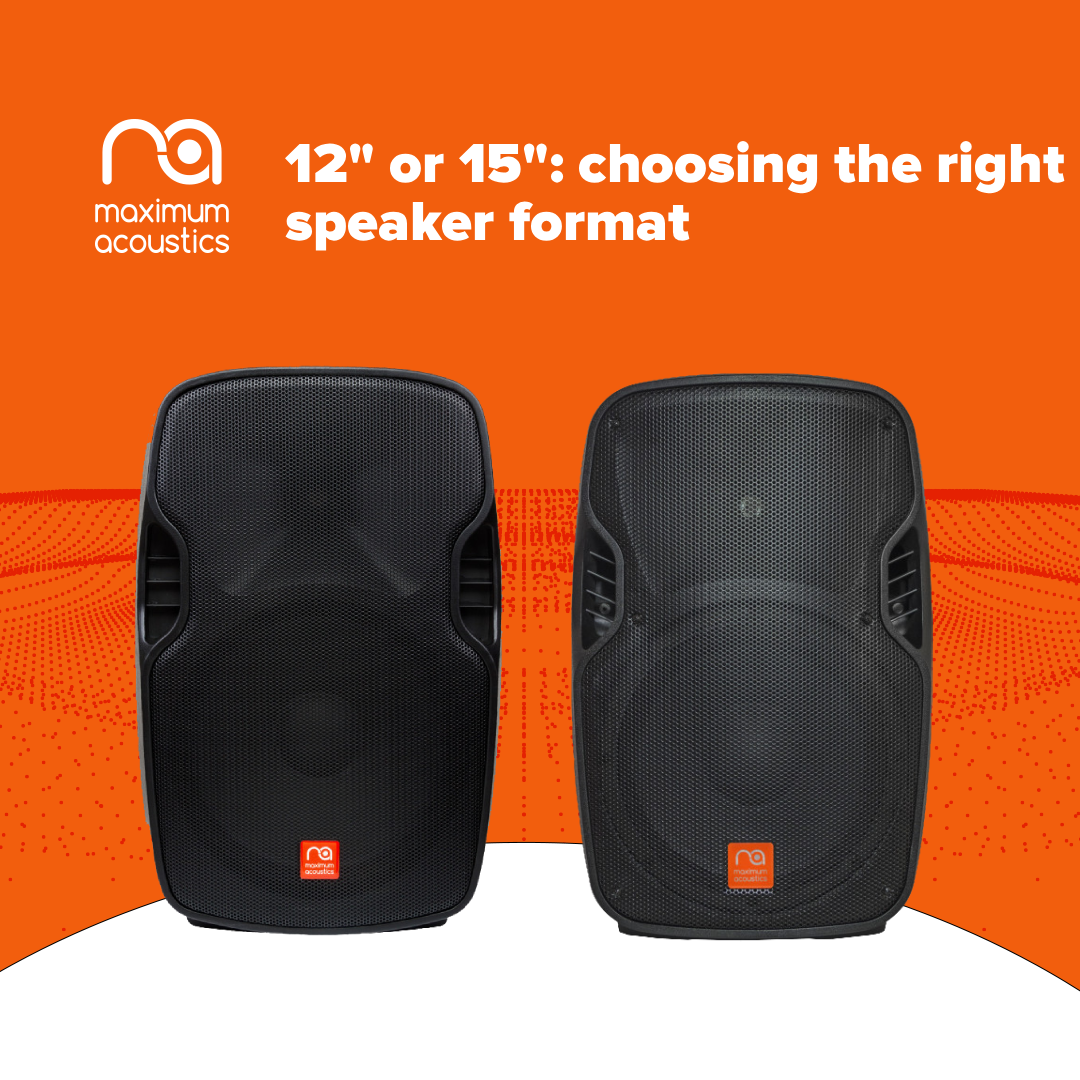
When choosing an active speaker system, a larger driver often seems like the obvious better option. The logic is simple: 15 inches is larger than 12 inches, so the speaker should sound more powerful, play louder, and deliver more bass. In practice, however, things are much more nuanced. The size of the LF/MF driver affects not only low-frequency output but also midrange character, vocal intelligibility, system portability, and even the potential for future expansion of your sound system.
This question becomes particularly important when using a separate subwoofer is not an option. The reason may be a limited budget, restricted car trunk space, or simply the desire to avoid transporting another heavy piece of equipment. In this situation, a pair of active speakers has to do as much of the work as possible while covering a sufficiently wide frequency range.
Therefore, choosing between 12" and 15" is not about deciding which is universally better. It is a choice between two different priorities: fuller, more substantial bass on the one hand and a more articulate and controlled midrange on the other.
Why Speaker Size Matters So Much
To understand the difference between 12-inch and 15-inch speakers, it is worth looking at the basic physics of how a driver works. To produce sound, the cone moves air, and its ability to reproduce low frequencies effectively depends largely on its surface area, allowable excursion, cabinet design, and the tuning of the entire speaker system.
A 15-inch driver has a larger cone surface area and, under otherwise comparable conditions, can move a greater volume of air. This is precisely what makes 15" systems attractive for use without a subwoofer. A well-designed 15-inch speaker can reproduce the region around 50–65 Hz more convincingly, where the impact of the kick drum, bass guitar, and low-frequency content of modern dance music can already be clearly felt.
This does not mean that a 15-inch speaker can completely replace a subwoofer. A dedicated subwoofer is specifically optimized to reproduce the lowest frequency range, so its capabilities remain different. However, when there is no separate subwoofer, a 15" speaker can provide noticeably fuller low-end response and make a music program sound more convincing.
This additional low-frequency potential comes with certain compromises. A larger cone generally has greater moving mass and inertia. At the same time, it is expected to reproduce bass confidently while also operating correctly in the midrange until the signal is handed over to the high-frequency driver. This is why cabinet design, crossover tuning, and DSP quality are particularly important in a 15-inch system.
The approximately 1–3 kHz range contains a great deal of information that is critical to the perception of the human voice. If the system is not properly integrated, a large LF/MF driver may sound less articulate in this region, while the transition between it and the high-frequency driver becomes a more challenging task for the system designers.
Why 12 Inches Is Often Better for Vocals
A 12-inch driver offers a different balance of characteristics. Its moving assembly is generally lighter, while the smaller cone area makes it easier to achieve controlled reproduction in the midrange. As a result, vocals, speech, acoustic guitar, keyboards, and other instruments with a significant amount of information in the middle of the spectrum can sound cleaner and more transparent.
For a presenter, this means better speech intelligibility; for a vocalist, more expressive reproduction of vocal tone; and for conferences and presentations, less need to compensate for an unclear midrange with EQ.
However, the laws of physics still apply. It is more difficult for a 12-inch system to produce the same sense of low-end weight as a comparable 15-inch model. It can reproduce the bass foundation of a track effectively, but you should not expect deep sub-bass or the physical impact associated with a dedicated subwoofer.
This is where the main compromise lies. A 12" system should primarily be considered a solution focused on midrange clarity, versatility, and intelligibility, while a 15" system is better suited to situations where you need to extract as much bass as possible without a subwoofer.
Who Should Choose 12-Inch Active Speakers?
If your work is primarily voice-based, the 12-inch format will often be the most practical choice. It is well suited to vocalists, presenters, acoustic duos, musicians, lecturers, and organizers of conferences, presentations, and seminars.
At such events, the main measure of sound quality is not the amount of bass but whether listeners can understand every word without effort. Even an extremely powerful speaker system fails to do its job if the voice gets lost in an overly dense lower midrange.
Another practical advantage of 12" speakers is portability. Such systems are generally more compact and lighter than their 15-inch counterparts. If you regularly have to load equipment into a car, carry it up stairs, mount it on speaker stands, and take everything down after an event, the difference in size and weight quickly becomes more than just a secondary specification.
For small live performances, ceremonies, presentations, corporate speeches, or acoustic music, a pair of high-quality 12-inch active speakers may prove more practical than a larger system.
When 15 Inches Has a Clear Advantage
For a mobile DJ, the requirements are different. At a wedding, corporate event, graduation party, or private celebration, the speaker system must do more than simply make the music audible — the audience expects a rhythmic foundation they can physically feel.
If no subwoofer is being used, a 15-inch driver becomes a logical choice. Its larger surface area helps produce more substantial low-end output, making the kick and bass in dance tracks feel more convincing.
The advantage of this format is particularly noticeable with electronic, pop, and dance music. A pair of 15-inch active speakers does not become a full subwoofer-equipped system, but it can provide a more self-sufficient sound in situations where transporting a subwoofer is physically inconvenient or its purchase is not yet within the budget.
At the same time, it is important to evaluate more than just driver diameter. Amplifier power, maximum sound pressure level, frequency range, cabinet design, DSP, and driver quality can vary significantly between models. The label “15-inch” alone does not guarantee better bass than a well-designed 12-inch system from a higher performance class.
What If You Add a Subwoofer in a Year?
This is one of the most important points to consider before making your first purchase.
If your current budget allows you to buy only two active speakers, but you plan to add a subwoofer later, 12-inch tops are often a more future-proof foundation for the system.
The reason is proper task distribution. The subwoofer handles the low-frequency range, while the 12-inch tops can focus on the areas where their strengths are most apparent: vocals, instruments, transient attack, and midrange detail.
A combination of 12" tops + a 15" or 18" subwoofer is a classic and effective configuration for a mobile PA system. With the crossover frequency set correctly, the subwoofer handles the low end, while the tops no longer need to devote a significant portion of their resources to reproducing it. This makes it possible to achieve cleaner sound and greater headroom.
A combination of 15" tops + a subwoofer is also perfectly viable and widely used, so it should not be considered technically incorrect. However, without proper crossover settings and system tuning, excess energy may build up in the upper-bass and lower-midrange region. Subjectively, this can be perceived as boominess or a muddy sound. If the system is being built from scratch specifically for use with a subwoofer, 12-inch tops often allow for a more logical division of responsibilities.
12" or 15": How to Make the Right Choice Without Overspending
The choice should not be based on the principle that “bigger is always better.” Instead, it should be determined by how the system will actually be used.
If approximately 70–80% of your events involve speech, vocals, acoustic instruments, presentations, or background music, it makes sense to consider 12-inch active speakers. You will get good intelligibility, smaller dimensions, and a more convenient system for regular transportation.
If your main task is providing sound for dance events without a separate subwoofer, the 15-inch format offers a practical advantage. It will deliver more low-frequency energy and make music sound fuller without requiring an additional LF module.
If a subwoofer is part of your future upgrade plan, it makes sense to build the system around high-quality 12-inch tops from the beginning. This allows you to have a compact, functional setup today and later move to a complete subwoofer-based configuration without replacing your main speakers.
Don't Forget the Complete Setup: Stands, Cables, and Protection
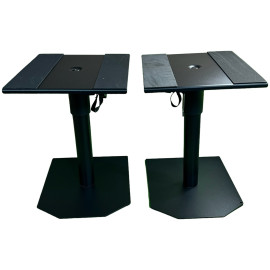
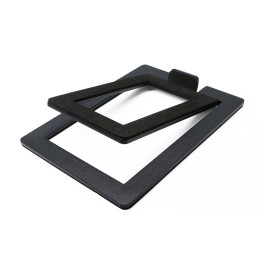
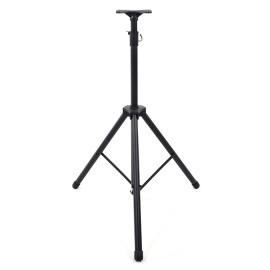
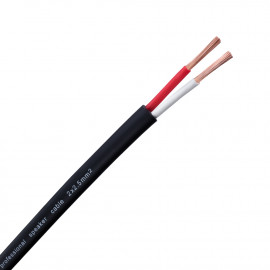
Even properly selected active speakers do not operate in isolation. Speaker stands allow you to raise the high-frequency driver above audience level and achieve more even sound coverage throughout the venue. High-quality signal cables help ensure a reliable connection without unnecessary interference, while protective covers are especially important for mobile applications where speakers are regularly transported between venues.
Therefore, when putting together your system, you should consider more than just the cost of two active speakers. Setting aside a small portion of your budget for stands, cables, and protective covers often provides more practical value than paying extra for specifications that do not match your actual usage scenarios.
There is no absolute winner in the debate between 12-inch and 15-inch speakers. There is only the right tool for a specific task.
12-inch active speakers are optimal when vocal clarity, midrange detail, portability, and the possibility of adding a subwoofer later are the main priorities. 15-inch systems make more sense when the setup needs to work independently without a subwoofer and the music requires more substantial bass.
Before making a purchase, determine what matters most to you today and how you expect your system to develop in the future. This approach helps you avoid overspending on unnecessary equipment while also preventing a situation in which you have to completely rebuild your PA system a year later.
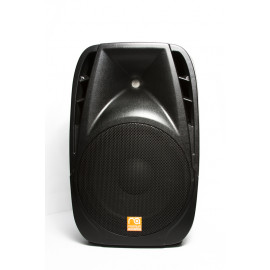
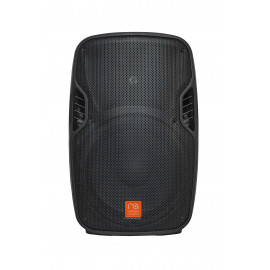
Browse the Maximum Acoustics active speaker catalog, compare the available 12-inch and 15-inch models by their specifications, and choose the option that best suits your type of events. It is also worth selecting suitable stands, cables, and protective covers at the same time, giving you a complete mobile setup that is ready for work.
Leave your comment