

Taking care of your equipment: how to properly install acoustic stands
In the world of professional audio, there are no small details. Even such a seemingly simple element as a speaker stand can determine not only the sound quality but also the safety of the entire event. For musicians, event managers, venue owners, and beginner sound engineers, choosing the right speaker stands becomes critically important.
Speaker stands are often underestimated and perceived as just an accessory. However, in practice, they form the foundation of safety for expensive equipment. An incorrectly selected or low-quality stand can lead to speakers falling, resulting in damaged drivers, deformed enclosures, and, even worse, posing a real risk to the audience and staff. In professional audio, this is not just an inconvenience but a potential hazard.
Types of stands and their purpose
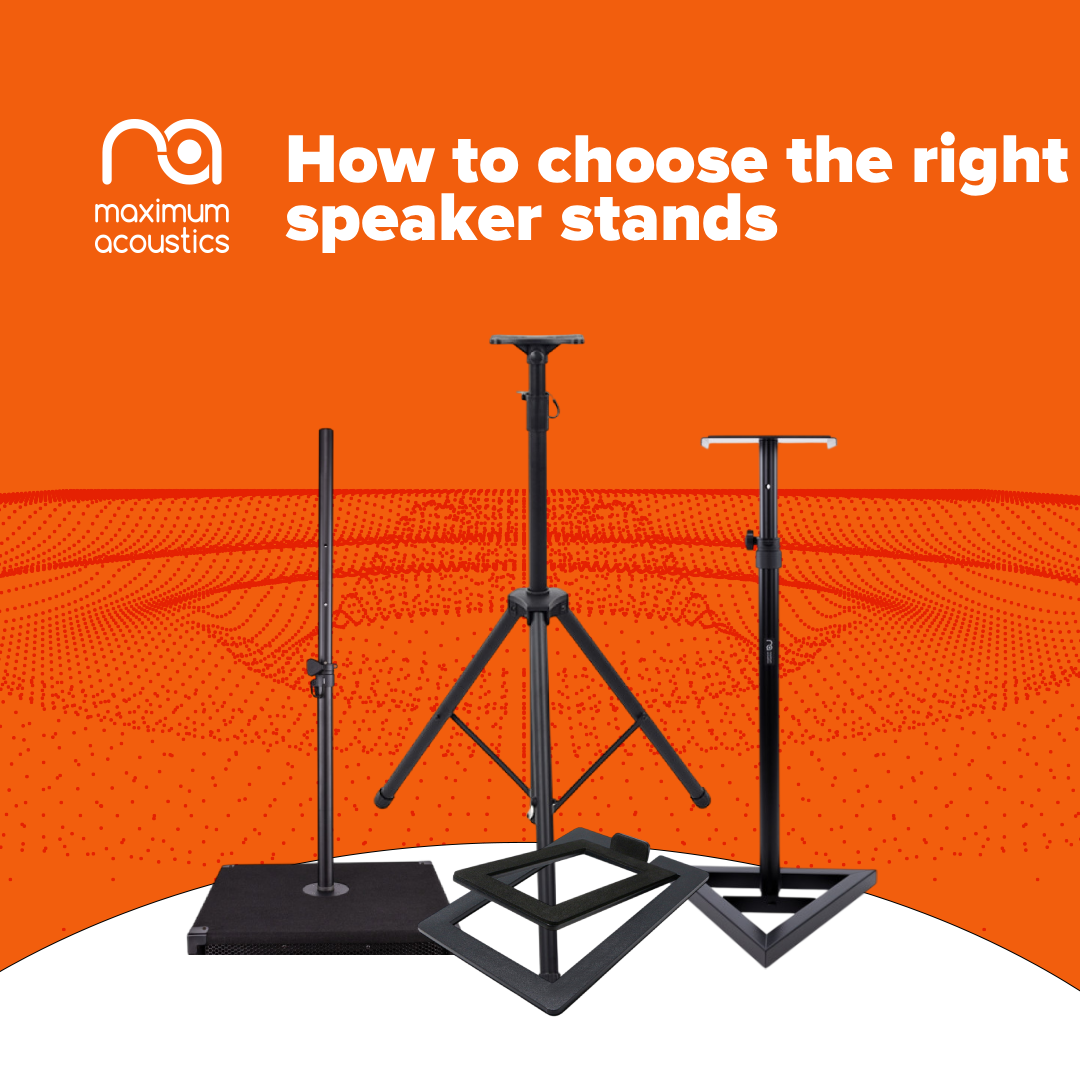
Modern speaker stands come in various formats, each designed for a specific use.
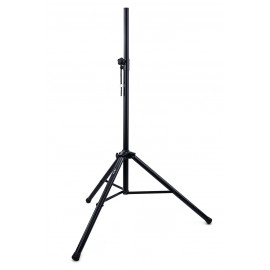
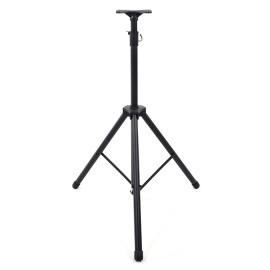
The classic tripod speaker stand is a universal solution for mobile events. It provides stability even on uneven surfaces and is easy to transport, making it ideal for concerts, outdoor events, and rental use.
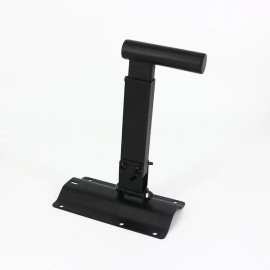
Wall mounts for acoustic systems are best suited for permanent installations in bars, cafes, or concert halls. They allow efficient use of space by fixing the speakers without additional floor structures. Wall-mounted speaker brackets also improve safety in high-traffic areas.
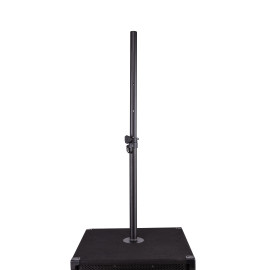
A separate category includes “subwoofer-satellite” solutions using a distance pole. This setup allows a satellite speaker to be mounted directly above the subwoofer, ensuring compactness and proper sound distribution.
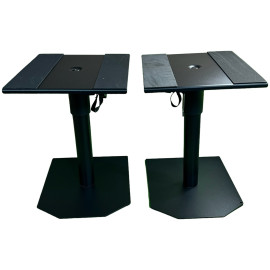
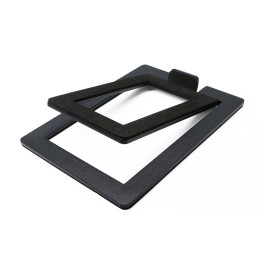
Studio monitor stands are designed for precise speaker positioning in a room. They usually feature a heavy construction and additional vibration-absorbing elements, which are essential for accurate monitoring.
What to consider when choosing
The first and most important parameter is maximum load capacity. To avoid risks, it is recommended to choose stands with a safety margin of at least 20–30% above the actual speaker weight. This helps compensate for dynamic loads during operation.
The material of construction directly affects durability and mobility. Steel provides maximum strength and stability but adds weight, while aluminum models are much lighter and better suited for frequent transportation and setups.
An important standard is the 35 mm tube diameter used by most speaker manufacturers. Some models also support 38 mm adapters, expanding compatibility.
Special attention should be paid to locking mechanisms. A high-quality floor speaker stand should have not only a tightening knob but also an additional steel safety pin to prevent sudden collapse. This dual locking system is the safety standard in professional environments.
Height adjustment should also be smooth and reliable to ensure accurate sound coverage for a specific venue.
Installation and safety tips
Proper installation is just as important as choosing the right stand. The placement of tripod legs should consider the center of gravity: one leg should be directed under the speaker or toward the potential tilt direction to prevent tipping.
Cable management is often a weak point in safety. Cables should be secured along the stand using ties or Velcro to prevent accidental pulling, which could cause the entire structure to fall.
Surface type also matters. On soft ground or carpet, it is important to ensure the stand legs do not sink, while on uneven floors, adjustments should be made to maintain stability.
Why choose Maximum Acoustics
Maximum Acoustics speaker stands are designed to meet the demands of the modern professional audio market. They are made from high-quality steel and reinforced aluminum alloys, ensuring stability even under maximum loads.
Most models feature a dual locking system, combining clamping mechanisms with a steel safety pin for an additional level of security.
The universal 35 mm tube diameter allows easy compatibility with speakers from various brands, which is especially important for rental companies and event venues.
Powder coating protects the surface from scratches, corrosion, and mechanical damage, significantly extending the product’s lifespan even in demanding conditions.
Anti-slip rubber feet ensure stability on any surface—from stage floors to tiles or wood—and also help reduce vibrations.
Choosing the right speaker stands is an investment not only in sound quality but also in the safety of people and equipment. If you plan to buy speaker stands, it is essential to consider all technical parameters and usage conditions to avoid risks and ensure stable operation of your sound equipment.
We offer solutions that meet modern reliability standards and come with an official 36-month warranty. You can explore the range and choose the optimal speaker stands in our catalog.
Leave your comment