

Акустика на відкритому повітрі: як захистити колонки від спеки, дощу та пилу
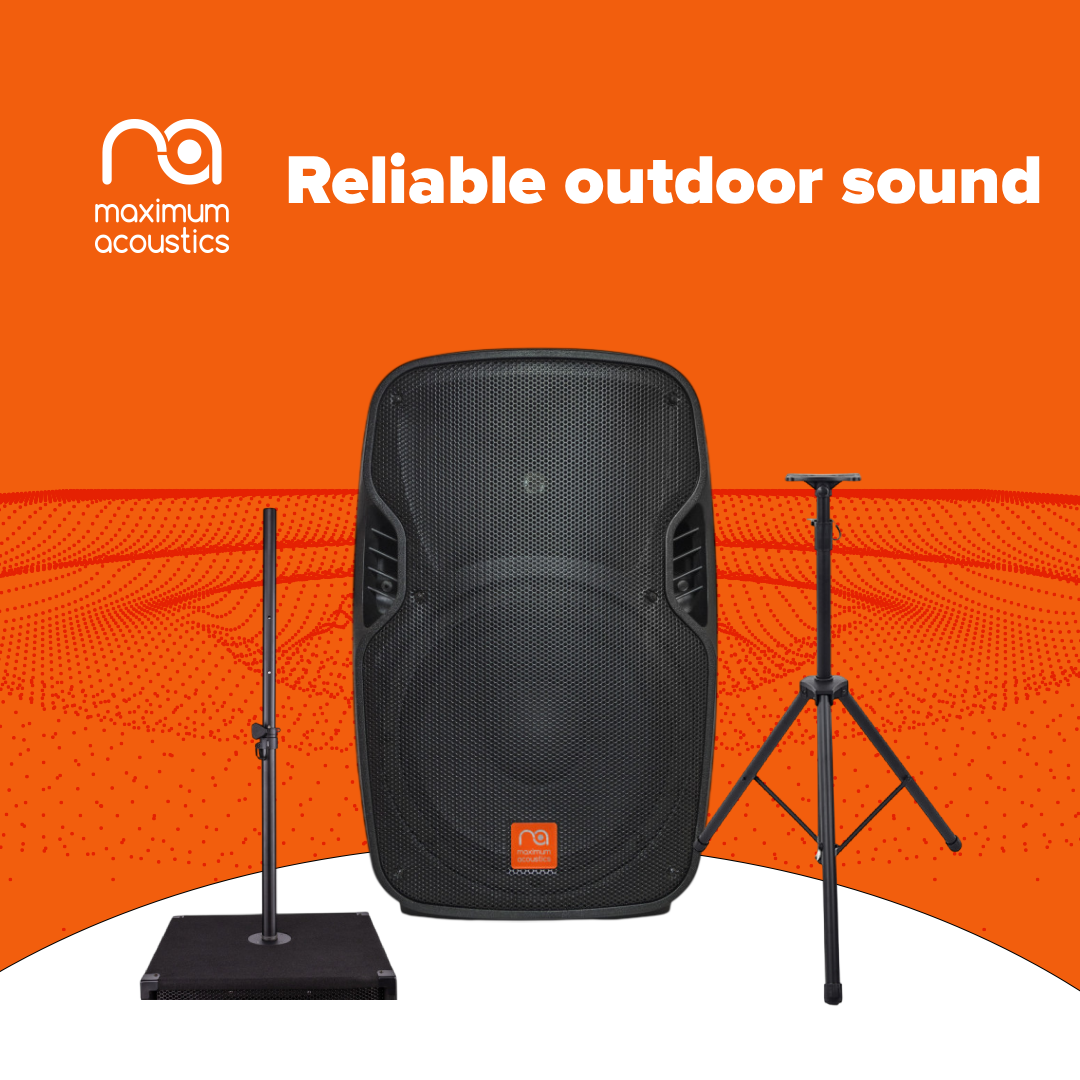
The summer season is traditionally associated with festivals, outdoor weddings, corporate events, beach parties, and performances by street musicians. During this time, outdoor sound becomes an essential part of dozens of events every day. However, for professional audio equipment, operating outside is a true endurance test.
Proper operation of acoustic systems in summer conditions requires special attention, as there are three main risk factors: high temperatures and direct sunlight, sudden rainfall or morning dew, as well as dust, sand, and strong winds. Let’s look at how to minimize the impact of these factors and keep your equipment in excellent condition throughout the season.
Heat and Direct Sunlight: How to Protect Speakers from Thermal Stress
Most professional loudspeaker systems feature dark-colored enclosures that quickly absorb heat under direct sunlight. As a result, the temperature of internal components can significantly exceed recommended operating limits.
Active speaker systems are particularly sensitive to overheating because their amplifiers are built directly into the speaker cabinet. That is why amplifier overheating remains one of the most common causes of unexpected equipment shutdowns during summer events.
To avoid problems, it is important to position speakers so that the rear panel with the cooling radiator or metal components is not exposed to direct sunlight. Even partial shading can significantly reduce the operating temperature of the system.
Using tents, stage canopies, or large umbrellas is an effective solution. At the same time, it is essential to ensure free airflow around the equipment.
A common mistake is covering speakers with thick fabric or blankets to shield them from the sun. This approach only worsens the situation because ventilation openings can no longer dissipate heat effectively, causing the internal temperature to rise even faster.
If the speaker system has already entered protection mode due to overheating, disconnect the power and move the equipment to a shaded area. Do not attempt to cool it rapidly with water or wet towels, as sudden temperature changes can damage both the electronics and the enclosure.
For mobile performances, portable outdoor speaker systems are becoming increasingly popular. Battery-powered Maximum Acoustics systems allow users to deliver high-quality sound without running long power cables across the venue, making them especially convenient for outdoor and remote events.
Humidity, Fog, and Sudden Rain: How to Prevent System Failure
Even the most expensive audio system remains vulnerable to water. The danger comes not only from heavy rain but also from morning dew, fog, and condensation that gradually accumulates inside the enclosure.
Proper rain protection starts long before the event begins. Professional sound engineers always keep water-resistant covers or at least large plastic bags readily available for emergency use in case of an unexpected downpour.
Special attention should also be paid to cabling. Power cords, extension cables, XLR connectors, and jack connections should never lie directly on the ground or wet grass. Instead, use cable bridges, small platforms, or dedicated stands to keep connectors elevated above the surface.
If moisture does get inside the equipment, the first step is to disconnect the system from power immediately. The speaker should then be left to dry naturally for at least 24 hours. Only after complete drying should the equipment be tested again.
Cable quality is equally important. Reliable Maximum Acoustics cables feature durable insulation that withstands prolonged exposure to sunlight without cracking or losing performance throughout an active event season.
Dust, Sand, and Wind: Hidden Threats to Mechanics and Drivers
Dust and sand are often underestimated, even though they can cause long-term damage to sound equipment.
When operating on beaches, sports grounds, or festival venues, dust enters the enclosure, settles on electronic components, and gradually clogs cooling systems. Sand, meanwhile, can damage speaker surrounds or find its way into moving components such as mixer faders.
To protect speaker cones, it is recommended to use acoustic foam covers or protective metal grilles. These accessories effectively block small particles while maintaining sound quality.
After every event in dusty conditions, equipment should be cleaned using compressed air. This simple maintenance routine helps preserve cooling efficiency and extends the lifespan of electronic components.
If mixer faders or controls become difficult to operate due to dust buildup, avoid using random lubricants or sprays. Improper products may attract even more dirt and complicate future servicing.
When setting up outdoor systems, it is also important to use high-quality speaker stands. Maximum Acoustics stands provide stable support even in strong wind conditions, helping prevent accidents and ensuring safe operation at open-air venues.
An Important Detail: Stable Power in Field Conditions
Many outdoor events rely on generators as their primary power source. However, unstable generator performance or sudden load changes can lead to voltage fluctuations.
For professional sound equipment used at summer venues, this creates an additional risk. That is why power conditioners, voltage stabilizers, and surge protection devices are strongly recommended for critical system components.
This approach helps prevent unexpected interruptions during concerts, weddings, corporate events, and other outdoor performances.
Maximum Acoustics Outdoor Event Checklist
- Before starting any outdoor event, run through this simple checklist:
- Arrive at the venue and assess sun exposure.
- Ensure speakers are not positioned in direct sunlight.
- Install speakers on stable professional stands.
- Keep cables and connectors elevated above the ground.
- Prepare rain covers or protective bags for emergencies.
- Verify the condition of surge protectors or voltage stabilizers.
- Have cleaning supplies ready for post-event maintenance.
Proper preparation and careful handling of acoustic systems can significantly extend equipment lifespan and help avoid unpleasant surprises during operation. Modern Maximum Acoustics solutions—from battery-powered speaker systems to reliable cables and sturdy stands—allow event organizers, musicians, and DJs to perform confidently even in the most demanding outdoor environments.
Leave your comment